
Topic
Investment Strategy
Asset allocation, active versus passive, diversification and tax-loss harvesting.
A handful of decisions drive most of a portfolio’s long-run result: how much to hold in each asset class, where to use index funds and where to pay for active management, how far to diversify beyond the U.S., and how to keep taxes and fees from consuming the return. The articles in this section take those decisions one at a time, for families and for institutions.
Each explains what the strategy is, when it helps, what it costs and what to ask before using it, so a family or a committee can judge it against its own plan rather than the market’s mood.
Start here
 Private Wealth & Family Office
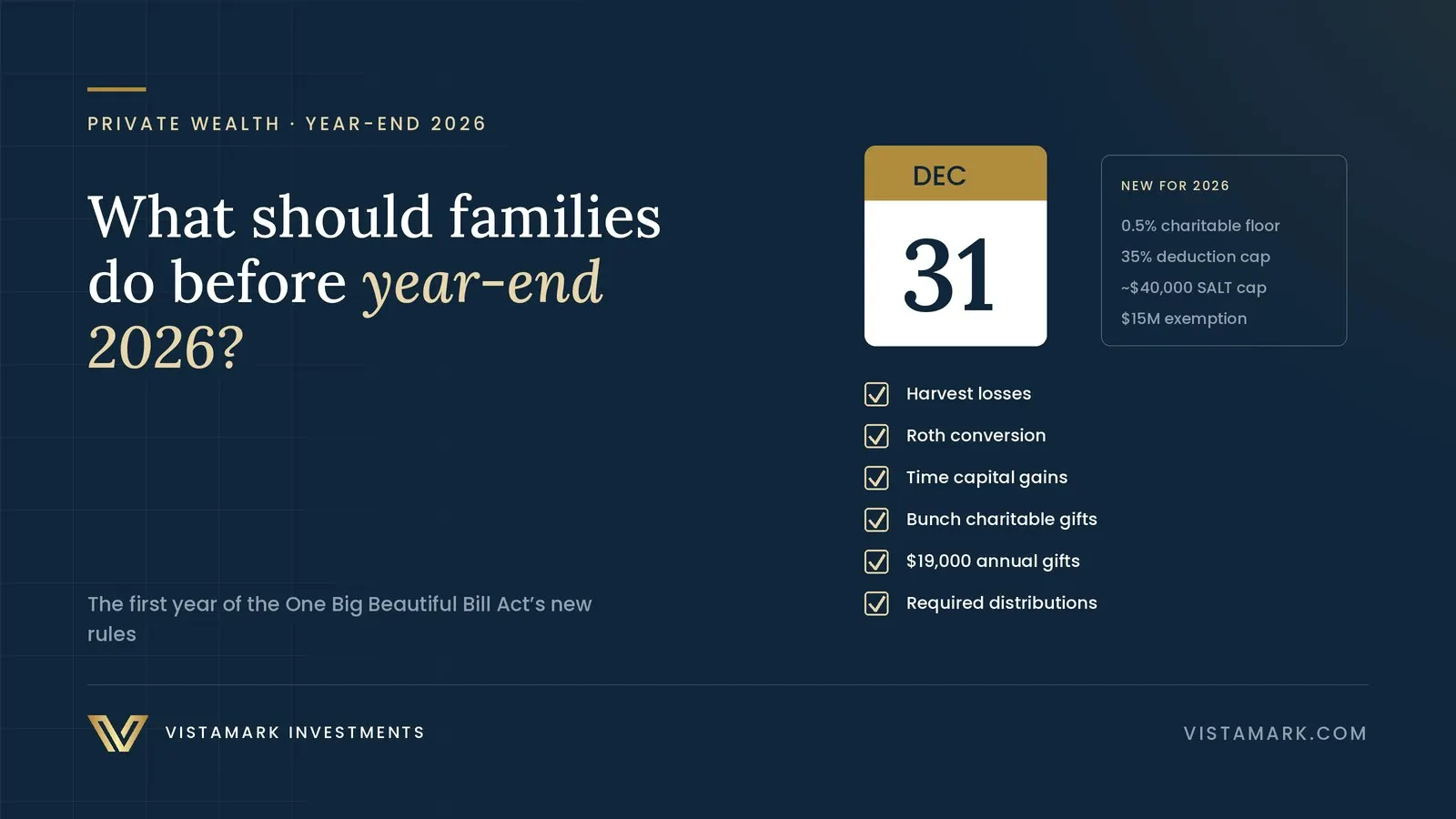
What Should High-Net-Worth Families Do Before Year-End 2026?
A 2026 year-end tax checklist for wealthy families: loss harvesting, Roth conversions, charitable bunching, $19,000…
 Private Wealth & Family Office
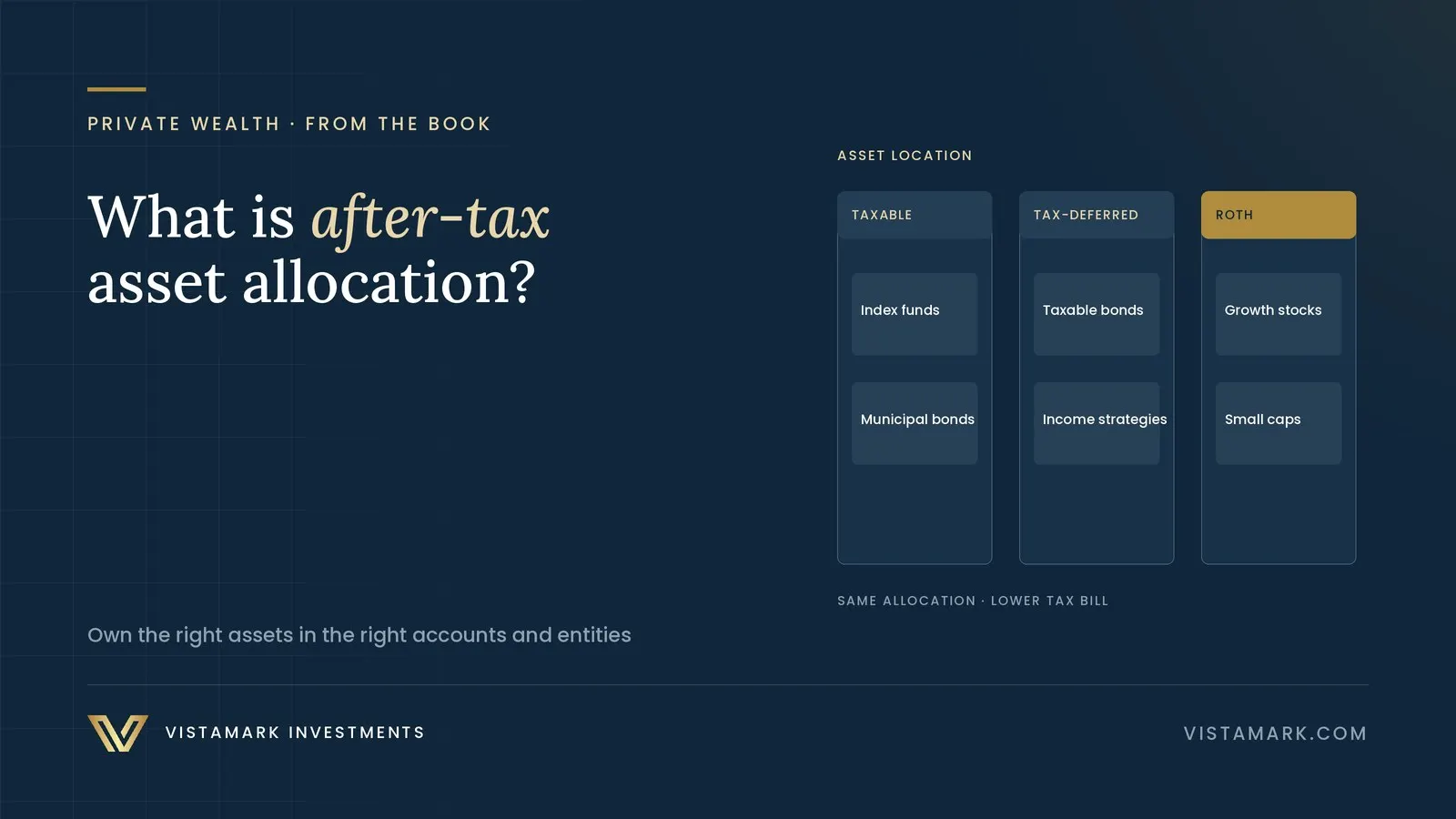
What Is After-Tax Asset Allocation?
After-tax asset allocation explained: asset location, vehicle choice, loss harvesting and gain timing that help wealthy…
 Private Wealth & Family Office
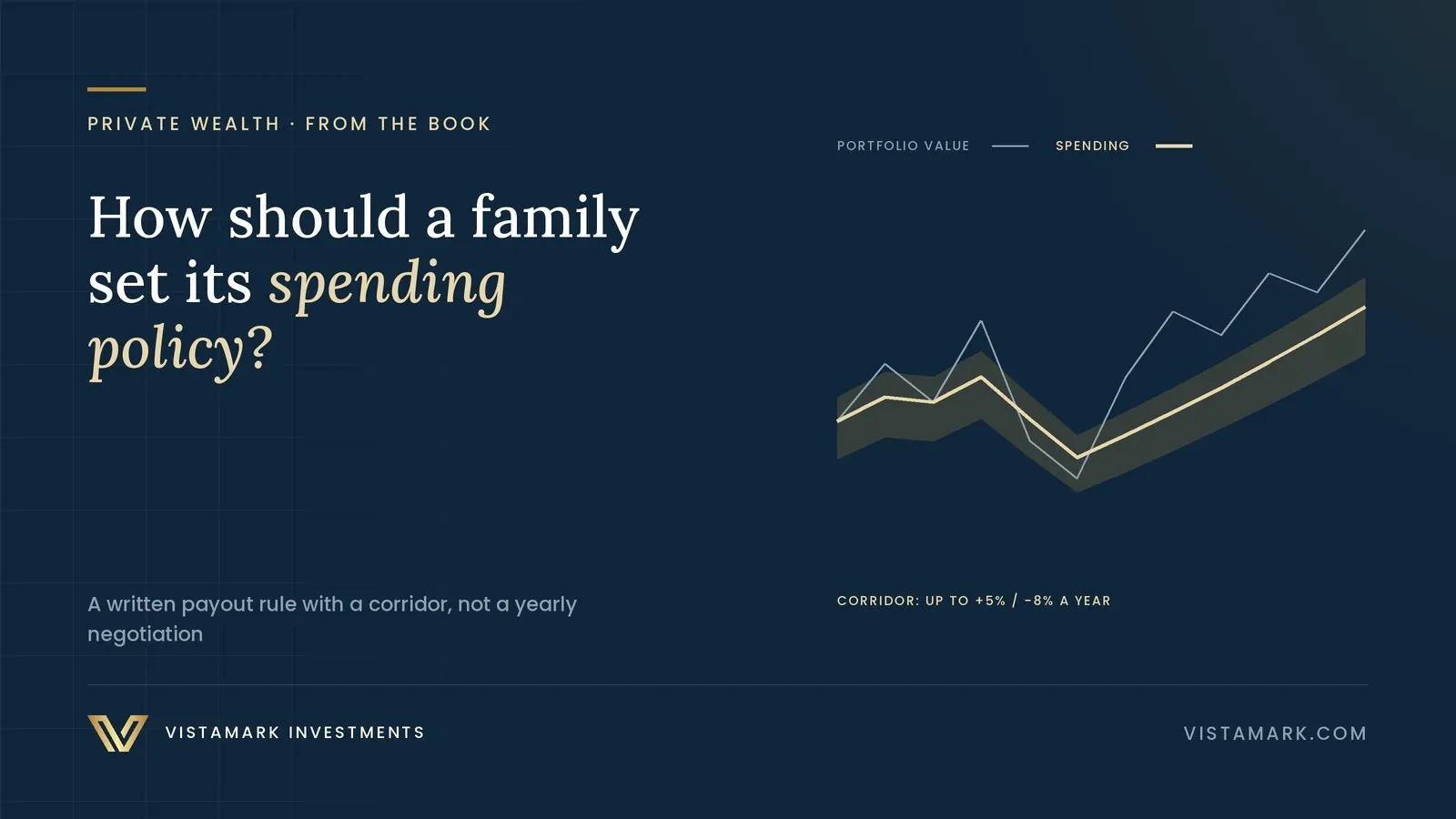
How Should a Family Set Its Spending Policy?
How much a family can safely spend from its portfolio, which spending formula to use, and how a floor-and-ceiling…
 Private Wealth & Family Office
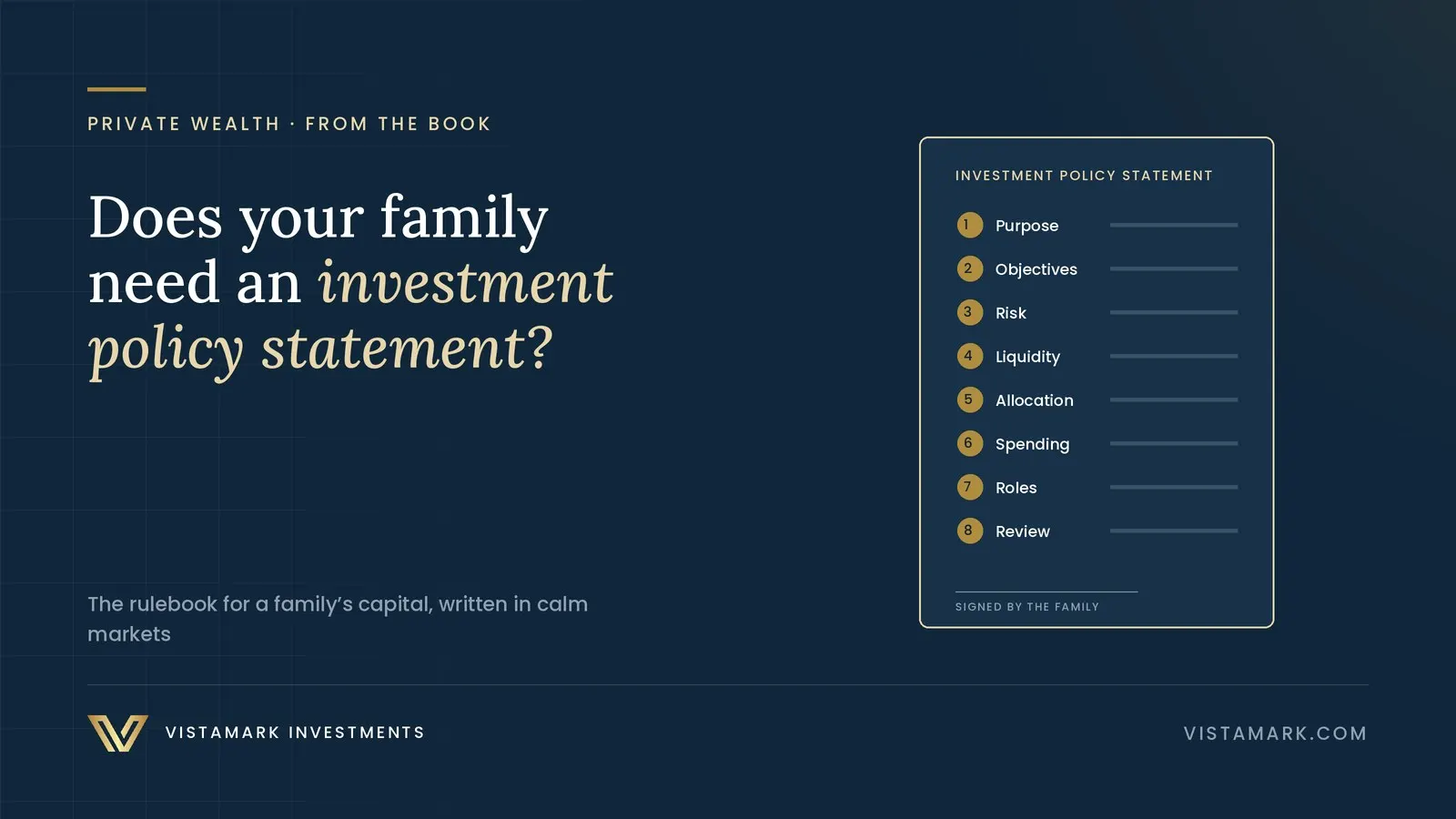
Does Your Family Need an Investment Policy Statement?
Why every wealthy family needs a written investment policy statement, the eight sections it should cover, and how to…
 Investment Strategy
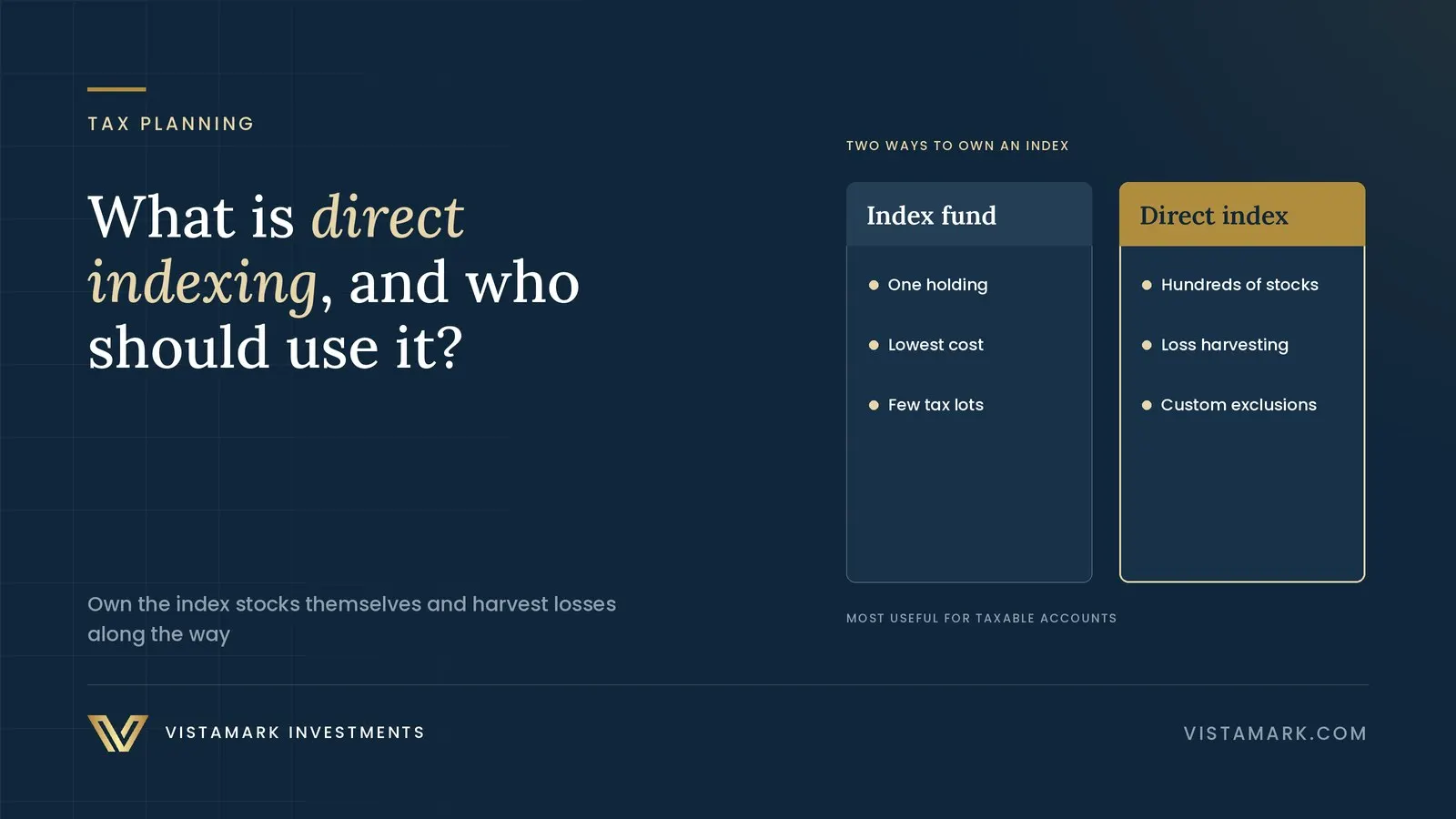
What Is Direct Indexing, and Who Should Use It?
What direct indexing is, how stock-level tax-loss harvesting and customization work, the costs and drawbacks, and who…
 Private Wealth & Family Office
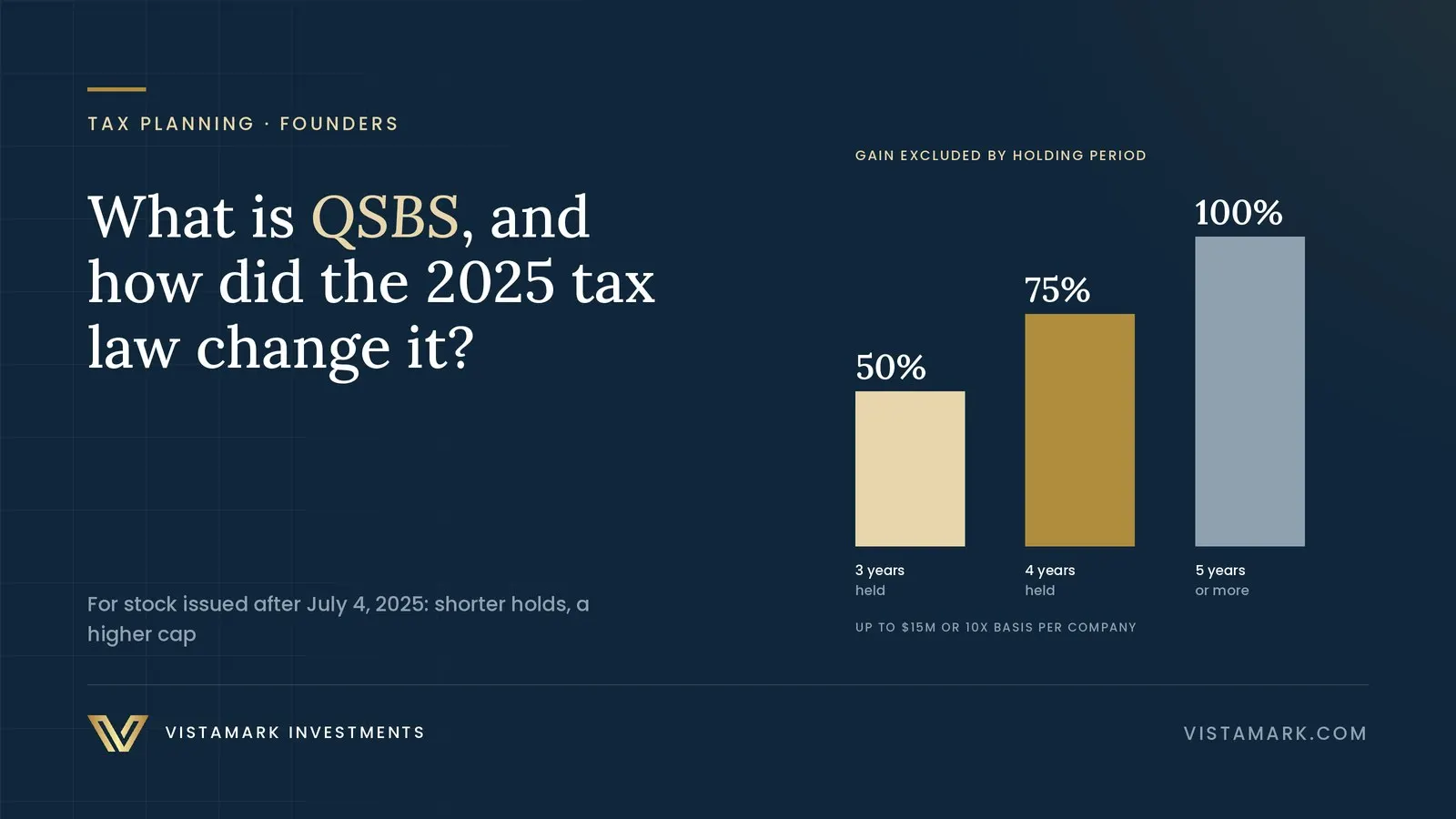
What Is QSBS, and How Did the 2025 Tax Law Change It?
QSBS explained: Section 1202 rules and the 2025 changes, with 50/75/100% exclusions at 3/4/5 years and a $15M cap for…
- What Should a New Investment Committee Chair Do in the First 90 Days?
- When Should an Investment Committee Fire an Underperforming Manager?
- The Case for Managed Accounts in Defined Contribution Plans
- Unleash Your Portfolio’s Income Potential: A Deep Dive into Covered Call ETFs
- Navigating Your Fiduciary Compass: A Guide for 401(k) Investment Committee Members
- Active vs. Passive: Tailoring Investment Strategies to Asset Classes
- A Strategic Guide to Hedging Your Concentrated Stock Position
- Crafting Your 401(k) Investment Policy Statement: Your Roadmap to Retirement Success
- Should You Invest in Hedge Funds? A Balanced Look
- Breaking Free from Concentrated Stock Positions: Advanced Tax Strategies That Transform Your Portfolio
- Turning Losses Into Opportunities: The Value of Year-Round Tax-Loss Harvesting
- The Rise of Private Lending: Growth, Structures, and Key Investor Considerations in 2025
- Navigating Historic S&P 500 Valuations: Embracing Alternative Assets Amid Market Resilience and Uncertainty
- Shield Your 401(k) Plan: 5 Essential Strategies to Prevent Fiduciary Lawsuits
- How to Blend After-Tax, Roth, and Traditional Qualified Accounts to Optimize After-Tax Investment Returns
- Tax Loss Harvesting: Strategies and Portfolio Integration for Optimal After-Tax Returns
- International Equity Diversification: Weighing the Global Opportunities and Challenges
- Unearthing Value: Is Gold the Missing Piece in Your Investment Portfolio?
- Unlocking Portfolio Potential: The Strategic Case for Bitcoin as a Diversifier
Common questions
What is asset location?
Asset location is placing each investment in the type of account where it is taxed least, such as taxable bonds in traditional or Roth accounts and tax-efficient index funds in taxable accounts. Done well, it raises after-tax returns without changing the overall allocation.
What is tax-loss harvesting?
Tax-loss harvesting means selling investments below cost to realize losses that offset realized gains, plus up to $3,000 of ordinary income a year, and reinvesting in something similar but not substantially identical so the portfolio stays invested.
What is direct indexing?
Direct indexing means owning the individual stocks of an index in a separately managed account instead of a fund, which lets the manager harvest losses on individual positions, exclude specific stocks and build the portfolio around a concentrated holding.